
TruthFinder Solutions for Parents: Managing School Transportation Decisions
Summary
Daily school transportation arrangements present modern families with safety challenges that require thoughtful planning and informed decision-making. As millions of children depend on various transportation methods for their educational journeys, parents increasingly recognize the importance of verifying driver qualifications and […]
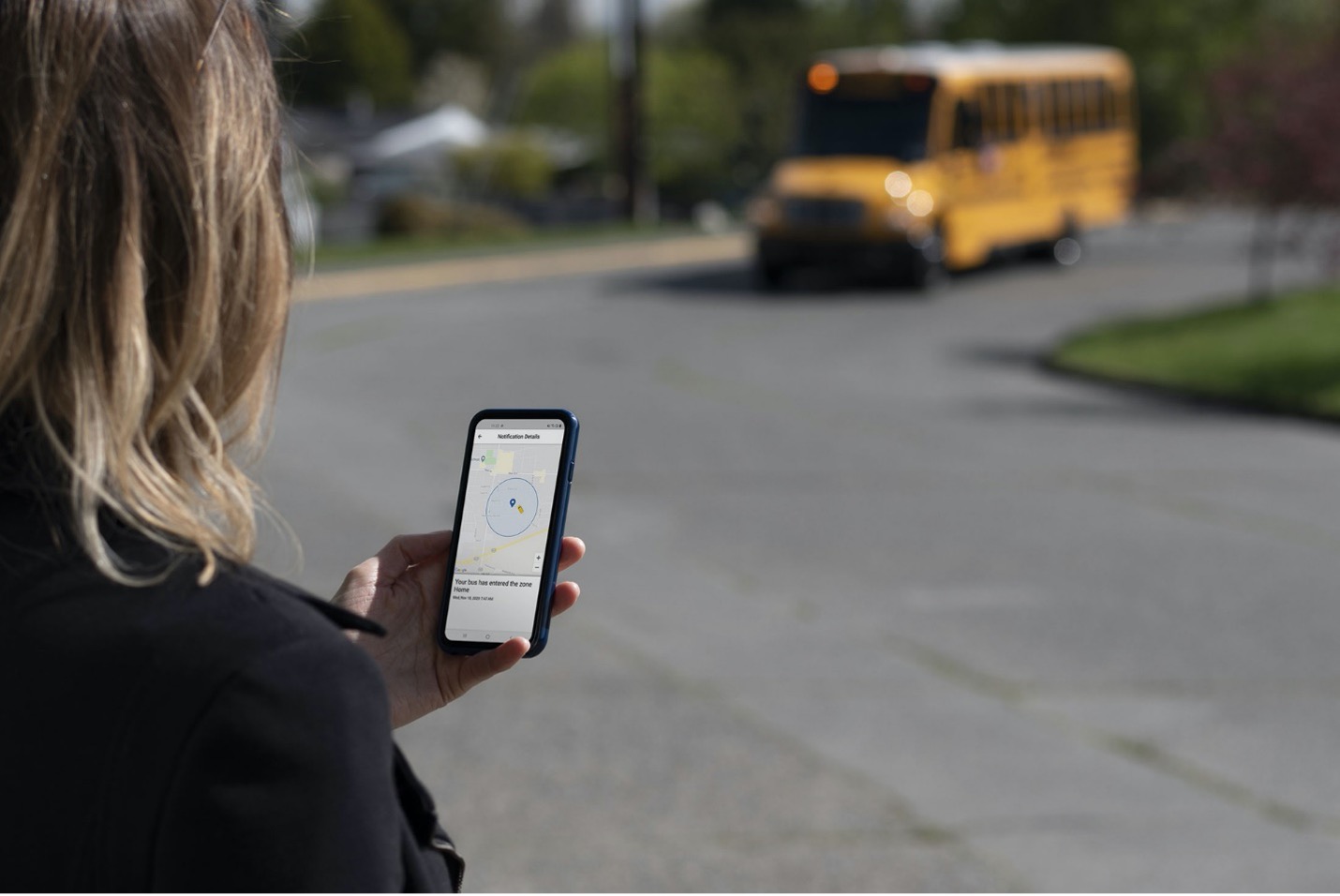
Daily school transportation arrangements present modern families with safety challenges that require thoughtful planning and informed decision-making. As millions of children depend on various transportation methods for their educational journeys, parents increasingly recognize the importance of verifying driver qualifications and understanding neighborhood safety factors. The sobering statistic that six teenagers aged 16 to 19 lose their lives in car crashes every day throughout the United States highlights why careful transportation evaluation has become a critical parenting responsibility.
Understanding Modern Transportation Challenges
Contemporary family life has reshaped school transportation patterns, with carpooling arrangements gaining popularity as cities expand and traffic complexity increases. The National Highway Traffic Safety Administration data confirms that motor vehicle crashes remain among the primary causes of teenage fatalities, extending safety concerns beyond teen drivers to encompass all forms of school transportation arrangements.
These changing dynamics have created a genuine need for verification tools that enable parents to make well-informed decisions about transportation partnerships. Traditional community oversight systems that once provided natural safety monitoring have evolved, making formal verification processes increasingly valuable for protecting children during their daily school travels.
TruthFinder’s Information Management System
TruthFinder operates by collecting data from various government databases and public sources spanning federal, state, county, and city jurisdictions. This extensive information gathering creates structured reports that can help parents evaluate transportation options and understand neighborhood safety characteristics more thoroughly.
The platform’s reports often include diverse information types, such as current and past address data that allows tracking of residential history across different locations and periods. Additional report components may feature contact details, criminal background information, traffic violation records, property ownership data, and social media profiles when publicly accessible through official sources.
Parents must understand that TruthFinder cannot be employed for Fair Credit Reporting Act purposes, including employment verification, tenant screening, or credit evaluation applications. The service concentrates specifically on compiling publicly available information for personal safety awareness and decision-making purposes.
Effective Communication Strategies for Safety Verification
Successfully implementing safety checks while maintaining positive family relationships requires thoughtful communication and a diplomatic approach. Parents can introduce safety discussions by addressing protocols, insurance requirements, and driving qualifications, naturally creating openings to mention background verification as part of comprehensive safety planning. TruthFinder searches gain acceptance when framed as mutual safety measures that serve all families’ interests rather than one-sided investigations.
Productive carpool groups often start with families sharing their background information, demonstrating transparency and commitment, and helping to build trust among all participants. This strategy converts potentially sensitive verification processes into collaborative community safety efforts that strengthen relationships.
Identifying Critical Safety Concerns
Traffic infractions and alcohol-related offenses constitute the most serious warning signs when evaluating potential drivers for children’s transportation needs. TruthFinder reports may present criminal and traffic records when accessible through public databases, helping parents recognize dangerous patterns before committing to transportation arrangements.
Specific concerns include DUI convictions, reckless driving citations, excessive speeding violations, and recurring moving violations. State legislation varies regarding DUI penalties, with increased consequences when children are passengers. Illinois demonstrates this approach by mandating $1,000 fines for first-time offenders caught driving under the influence with passengers under 16 years old.
Community Safety Assessment Methods
Although school bus transportation offers statistically superior safety compared to private vehicles, parents maintain legitimate concerns about pickup and drop-off locations, particularly regarding registered sex offender proximity. TruthFinder’s reverse address lookup capability allows users to research their neighborhoods and collect information about nearby properties.
The platform aggregates data from multiple sources, including federal databases such as the Dru Sjodin National Sex Offender Public Website. However, parents should verify this information through state sex offender registries, local sheriff’s offices, or police departments for the most current available data.
Establishing Comprehensive Safety Protocols
Background verification represents one element within thorough transportation safety planning. Parents must integrate TruthFinder research with practical safety measures, including proper child restraint verification, insurance coverage confirmation, clear procedural guidelines, comprehensive emergency contact documentation, and established behavioral standards for all transported children.
Written documentation prevents confusion and maintains consistency among all participating families, outlining specific locations, timing requirements, and procedural expectations. Hence, everyone understands their complete responsibilities and commitments within the transportation arrangement.