
How Technology Integration Enhances Learning in IB Schools Mumbai
Summary
Technology has become an essential part of modern education, transforming the way students learn, collaborate, and develop critical skills for the future. In today’s rapidly evolving world, schools are increasingly adopting innovative digital tools and teaching methods to create engaging […]
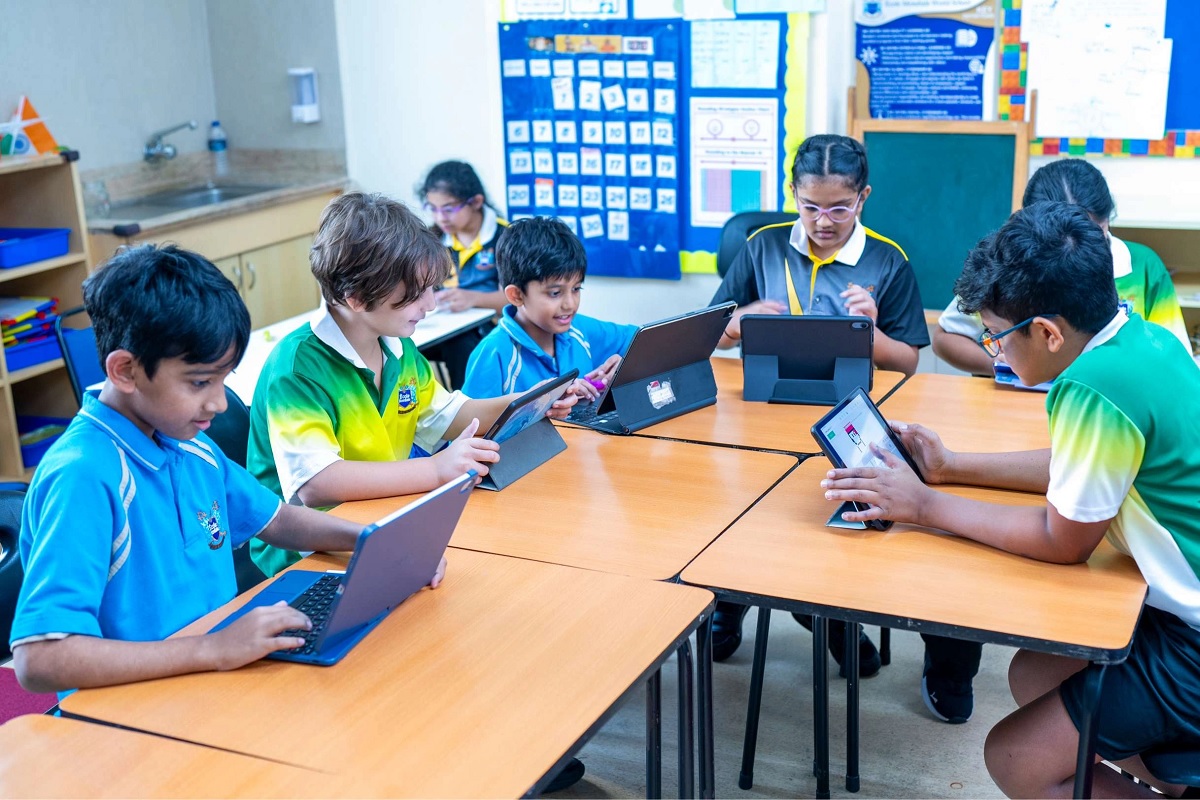
Technology has become an essential part of modern education, transforming the way students learn, collaborate, and develop critical skills for the future. In today’s rapidly evolving world, schools are increasingly adopting innovative digital tools and teaching methods to create engaging learning environments. By integrating technology into classrooms, educators can provide students with personalized learning experiences that encourage creativity, problem-solving, and independent thinking.
Among the leading educational institutions, IB schools Mumbai are embracing technology to enhance academic excellence and prepare students for global opportunities. The International Baccalaureate framework emphasizes inquiry-based learning, and technology serves as a powerful tool to support this approach. Through interactive resources, virtual collaboration platforms, and digital learning tools, students gain access to a wealth of information that helps deepen their understanding of various subjects.
One of the key benefits of technology integration is the ability to make learning more interactive and engaging. Traditional teaching methods are increasingly being complemented by multimedia presentations, educational applications, and online research tools. These resources help students visualize complex concepts and actively participate in classroom discussions. Interactive learning experiences often improve knowledge retention and encourage students to explore topics beyond the standard curriculum.
Technology also supports personalized learning by allowing students to progress at their own pace. Digital platforms can provide customized assignments, assessments, and feedback based on individual learning needs. This approach ensures that students receive the support they require while also challenging them to achieve higher levels of academic performance. In modern educational environments, personalized learning helps foster confidence, independence, and a lifelong passion for learning.
Collaboration is another important aspect of education that technology significantly enhances. Students can work together on projects using cloud-based tools, participate in virtual discussions, and communicate effectively with peers and teachers. These collaborative opportunities help develop essential communication and teamwork skills that are highly valued in higher education and professional settings. Through technology-enabled collaboration, students learn to share ideas, respect diverse perspectives, and contribute meaningfully to group activities.
Another advantage of technology integration is improved access to information and global learning opportunities. Students can connect with educational resources, experts, and learning communities from around the world. This exposure broadens their perspectives and helps them understand global issues from multiple viewpoints. Such experiences align well with the international mindset encouraged in the IB curriculum, allowing students to become informed and responsible global citizens.
Assessment and feedback processes have also become more effective through digital tools. Teachers can monitor student progress in real time, identify learning gaps, and provide timely support. Online assessments, digital portfolios, and performance tracking systems enable educators to make data-driven decisions that enhance learning outcomes. This continuous feedback loop helps students stay motivated and focused on their academic goals.
Schools that successfully integrate technology also promote digital literacy, an essential skill in the modern world. Students learn how to use technology responsibly, evaluate information critically, and maintain ethical online behavior. These competencies are increasingly important as technology continues to shape education, careers, and everyday life.
In conclusion, technology integration is revolutionizing education by making learning more engaging, collaborative, and personalized. The use of digital tools helps students build critical thinking, communication, and problem-solving skills while preparing them for future challenges. As educational expectations continue to evolve, IB schools Mumbai are well-positioned to provide technology-enhanced learning experiences that empower students to achieve academic success and thrive in an interconnected world.